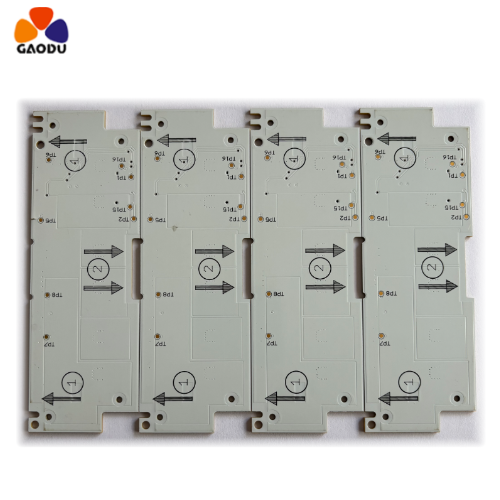
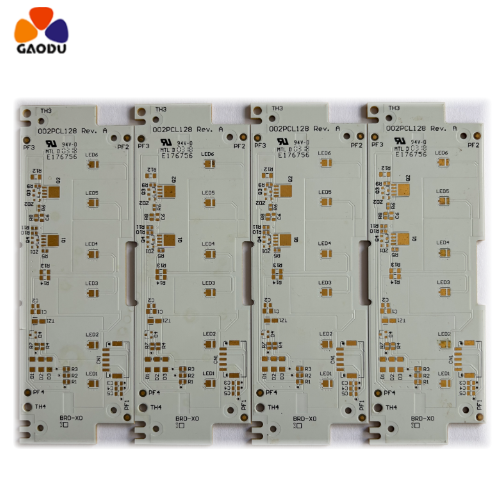

Essential details
Shipping:Express Delivery
Product Introduction
Key Features
- Increased Routing Density: With traces on both sides, double-sided PCBs eliminate the need for complex wire jumpers, enabling more compact and reliable circuit layouts.
- Cost-Effective Balance: They offer significantly more design flexibility than single-sided boards at a fraction of the cost of multi-layer PCBs.
- Plated-Through Vias: Metalized holes (vias) provide robust electrical connections between the top and bottom layers, ensuring stable signal transmission.
- Versatile Materials: Typically constructed using FR-4, but can also use high-frequency or aluminum-based laminates for specialized applications.
- Efficient Thermal Dissipation: The dual copper layers help spread heat more effectively than single-sided boards, suitable for mid-power applications.
💡 Ideal Applications
Double-sided PCBs are the most widely used PCB type across industries due to their versatility:
- Consumer Electronics: Power supplies, audio amplifiers, and LED drivers.
- Industrial Control: Motor drivers, sensor modules, and PLC I/O boards.
- Automotive: Dashboard controls, lighting systems, and battery management units (BMUs).
- Telecommunications: Modems, routers, and network interface cards.
- Medical Devices: Patient monitors and diagnostic equipment.


